Weight Loss After 50: A Realistic, Complete Guide
Turning 50 often comes with a noticeable shift in how your body responds to the same habits that used to work reliably. For most women, this overlaps significantly with menopause and postmenopause — but age-related changes also happen independently of hormonal status, which is why this guide takes a slightly broader view than our menopause-specific guide.
Why weight loss changes after 50
Several factors tend to converge around this age:
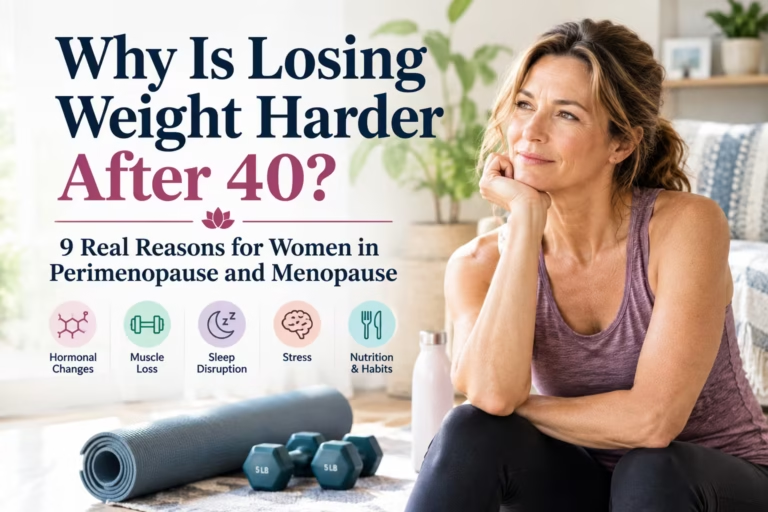
Hormonal changes. For most women, the years around 50 overlap with perimenopause, menopause, or early postmenopause — see our complete menopause weight loss guide for the hormonal specifics.
Muscle mass decline. Age-related muscle loss (sarcopenia) is a normal part of aging that tends to accelerate without deliberate effort — specifically strength training — to counteract it.
Metabolic rate. Resting metabolic rate gradually declines with age, independent of any single cause, partly as a downstream effect of reduced muscle mass.
Activity level. Life at this stage often includes more sedentary time — desk jobs, caregiving responsibilities, less incidental movement than in younger years — which reduces daily calorie expenditure in ways that are easy to overlook.
Sleep quality. Sleep often becomes more fragmented with age, for reasons beyond menopause alone, which affects appetite regulation and next-day energy.
What actually works after 50
Prioritize protein
Adequate protein — often higher than younger-adult guidelines suggest — supports muscle maintenance and fullness. See our nutrition guide for specific targets.
Make strength training non-negotiable
This is the single most important addition for most people over 50 who haven’t already incorporated it. See our strength training guide for a beginner routine.
Build a sustainable eating pattern, not a temporary diet
Approaches that work “for a few months” and then get abandoned don’t produce lasting change. A pattern you can maintain indefinitely — even if it’s less dramatic in the short term — tends to outperform aggressive short-term diets over a multi-year timeframe.
Treat sleep as a pillar, not an afterthought
Poor sleep is linked to increased hunger and reduced activity — undermining even a well-designed nutrition and exercise plan.
Manage expectations around pace
Weight loss after 50 is often slower than it was at 25 or 30, for the reasons above. This isn’t a sign that something is broken — it’s a realistic feature of how the body changes with age.
Medical considerations worth discussing with a doctor
- Thyroid function, which can affect metabolism and is worth ruling out if changes feel disproportionate to your habits
- Menopause hormone therapy (MHT), if you’re experiencing significant menopause symptoms alongside weight changes
- Medications that may affect weight (some common prescriptions can influence appetite or metabolism)
- GLP-1 medications, which have become more widely discussed for weight management — these are a decision to make with a doctor based on your individual health profile, not something to start without medical guidance
- Any existing health conditions (diabetes, heart disease, joint issues) that should shape your specific exercise and nutrition approach
A realistic mindset shift
Weight loss after 50 tends to go better when it’s approached as long-term health management rather than a short-term project with an end date. The habits that help most — adequate protein, regular strength training, consistent sleep, sustainable eating — are the same habits worth maintaining indefinitely, not just until a number on the scale is reached.
FAQ
Is it harder to lose weight after 50 than after 40? Often somewhat, due to the cumulative effects of muscle loss, metabolic changes, and — for most women — the hormonal changes of menopause. The same core strategies apply, but consistency and patience matter even more.
Should I eat fewer calories as I age? Not necessarily fewer than what your body actually needs — but calorie needs often do decrease somewhat with age due to lower muscle mass and activity levels. This is a good conversation to have with a doctor or dietitian rather than guessing.
Are GLP-1 medications a good option after 50? This is an individual medical decision that depends on your health history, goals, and other factors — one to make with a doctor, not based on general trends or what’s worked for someone else.
What’s different about weight loss after 50 for men vs. women? This guide focuses on women’s experience, particularly around the menopause transition, which introduces hormonal factors that don’t apply to men at the same life stage. General principles like strength training and protein intake matter for anyone at this age, regardless of gender.
Related reading: Menopause Weight Loss: The Complete Guide · Strength Training for Women Over 50 · Menopause Nutrition Guide · Perimenopause Weight Gain: What to Know