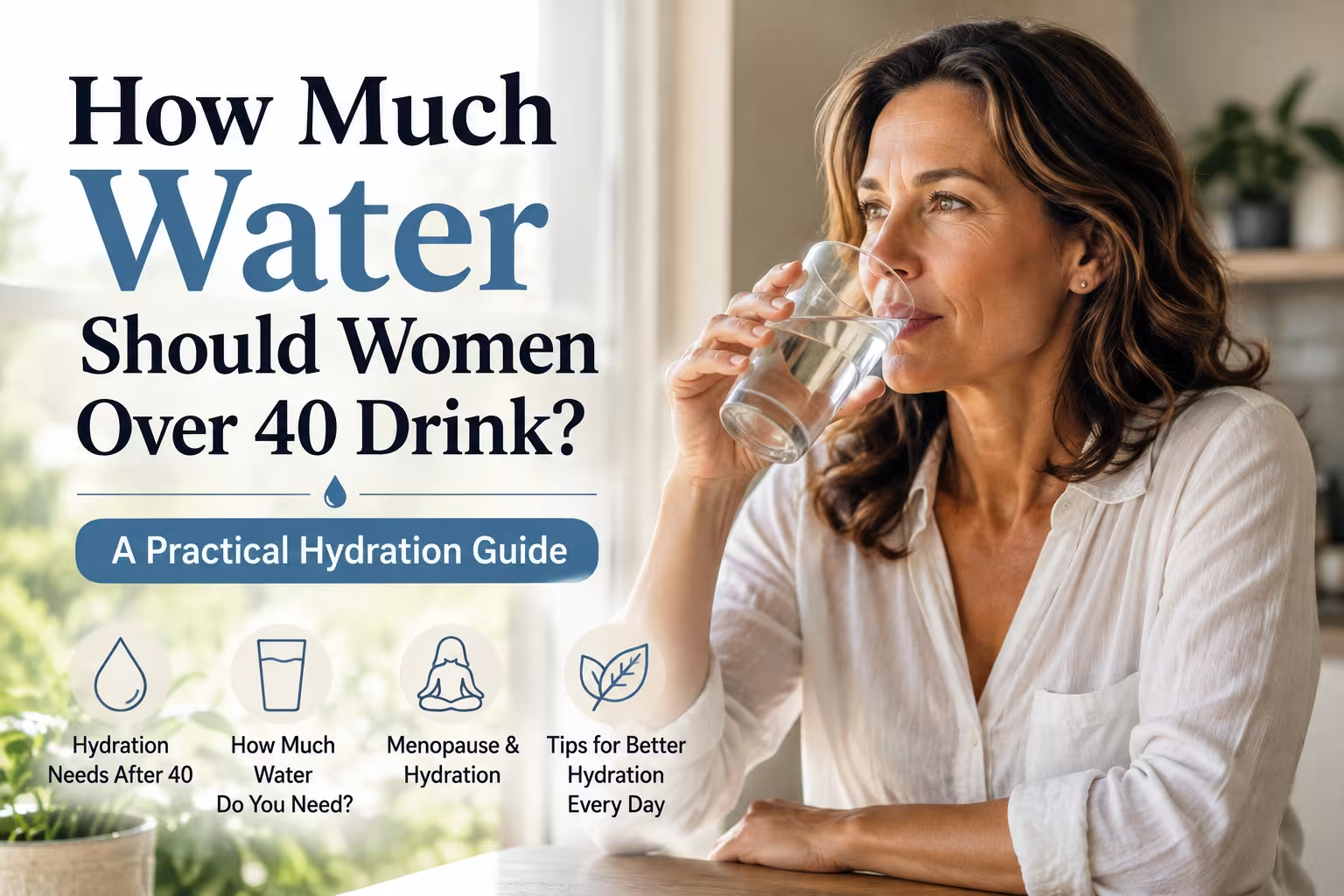
How Much Water Should Women Over 40 Drink? A Practical Hydration Guide
“Am I drinking enough water?” is one of those questions that sounds simple but rarely gets a simple answer — mostly because the honest answer is “it depends.” If you’ve noticed yourself feeling thirstier, more prone to dry mouth, or just generally unsure whether your habits are keeping up with your changing routine, sleep, and possibly hot flashes or night sweats, you’re asking a reasonable question that deserves a real answer, not just “drink 8 glasses a day.”
This guide walks through what’s actually known about hydration for women over 40 — how much you likely need, how perimenopause and menopause factor in, and a realistic way to build better hydration habits without turning it into another rigid rule to follow.
How Much Water Does a Woman Over 40 Actually Need?
Short answer: The U.S. National Academies of Sciences, Engineering, and Medicine set an adequate total daily fluid intake of about 11.5 cups (2.7 liters) for women — but that figure includes water from food, not just beverages. Of that total, roughly 9 cups (about 74 ounces) is expected to come from drinks, with the remaining 20% or so coming from food, particularly fruits, vegetables, and soups.
This is a general reference point, not a number that applies identically to every woman. Individual needs shift based on:
- Body size
- Physical activity level
- Climate and temperature
- How much you sweat
- Overall diet
- Illness or fever
- Pregnancy or breastfeeding, where relevant
- Certain medications
- Individual health conditions
The familiar “8 glasses a day” guideline (about 64 ounces) is a reasonable, easy-to-remember approximation — it’s just not an official scientific standard, and it doesn’t account for any of the individual factors above. For many women, it lands close to what’s actually needed; for others, particularly those who are more active or in hotter climates, it may fall short.
Does Water Intake Change After 40?
Turning 40 doesn’t flip a switch that suddenly demands a special hydration protocol. What does change, gradually, are some of the factors that influence hydration:
- Thirst sensation can become less reliable with age, meaning some people notice thirst later than they used to, after fluid levels have already started to drop
- Activity patterns often shift, which changes fluid needs in either direction depending on whether you’re more or less active than before
- Sleep quality and menopause-related symptoms (covered in detail below) can introduce new sources of fluid loss that weren’t previously part of the picture
- Medication use tends to increase with age for many people, and certain medications affect fluid balance
None of this means your hydration needs are dramatically different at 45 than they were at 35 — it means the surrounding context (activity, sleep, symptoms, medications) is more likely to have shifted, which is worth factoring in periodically rather than assuming your habits from a decade ago still match your current needs.
Hydration During Perimenopause and Menopause
This is where hydration and this life stage genuinely intersect, beyond general aging.
Hot flashes and night sweats — common experiences during perimenopause and menopause — involve episodes of sweating, sometimes significant. Sweating is a direct mechanism of fluid loss, so frequent hot flashes or night sweats can reasonably increase your fluid needs compared to someone not experiencing them. This is a well-established physiological mechanism (sweat = fluid loss), though it’s worth being precise about what it does and doesn’t mean: staying hydrated is a sensible response to fluid lost through sweating, but there isn’t strong clinical evidence that drinking more water reduces how often hot flashes happen in the first place.
Sleep disruption is common during this transition, and can affect how consistently you’re drinking fluids — for instance, if night sweats wake you and you’re not replacing fluids overnight, or if a groggy morning leads to skipping your usual routine. Our guide to menopause and sleep covers the sleep side of this connection in more depth.
Vaginal and skin dryness, both common during and after menopause due to declining estrogen, are influenced by hormonal changes more than by hydration alone — adequate fluid intake supports overall body function, but it isn’t a fix for hormone-driven dryness on its own.
The practical takeaway: if you’re experiencing frequent hot flashes or night sweats, it’s reasonable to be more deliberate about fluid intake than you might have needed to be before, particularly around exercise and overnight.
7 Signs You May Not Be Drinking Enough
These are general indicators, not a diagnostic checklist — if you’re consistently noticing several of these, it’s worth paying closer attention to your fluid intake (or checking with a doctor if symptoms are persistent or severe).
- Thirst — by the time you feel thirsty, you may already be mildly under-hydrated
- Dry mouth
- Darker urine — pale, straw-yellow is generally a sign of good hydration; darker yellow suggests you could use more fluids (though certain vitamins, medications, and foods can also affect urine color)
- Fatigue that doesn’t have another clear explanation
- Headache
- Reduced exercise performance or endurance than usual
- Dizziness, particularly when standing up quickly
Urine color is one of the more practical everyday indicators, but it’s not perfect — it can be affected by supplements, certain foods, and some medications, so use it as one data point rather than an exact measurement.
How Much Water Should You Drink in the Morning?
There’s no requirement to chug a large glass of water the moment you wake up — that’s a popular wellness trend, not a medical necessity. That said, starting the day with some fluid is a reasonable habit, since you go 7–9 hours overnight without drinking anything.
A practical approach:
- A glass of water shortly after waking is a simple, low-effort habit
- Breakfast itself contributes to hydration — foods like fruit, yogurt, and oatmeal all have water content
- Coffee and tea count toward your fluid intake too (more on this below) — there’s no need to “cancel out” your morning coffee with extra water
- Beyond that, drink according to thirst and your usual routine rather than forcing a specific volume
For a fuller look at how hydration fits into a realistic morning, see our morning routine guide for women over 40, which walks through hydration alongside light exposure, breakfast, and movement as part of one simple routine.
How Much Water Should You Drink During Exercise?
Fluid needs during exercise depend on duration, intensity, heat, and how much you personally sweat — there’s meaningful individual variation here.
General guidance:
- For shorter, lower-intensity activity (a 20–30 minute walk, for example), plain water before and after is typically sufficient
- For longer or more intense sessions, especially in heat, drinking water during the activity — not just before and after — becomes more important
- Very long or intense exercise sessions (over roughly an hour, particularly with heavy sweating) may benefit from replacing electrolytes as well as water, though this isn’t necessary for most moderate daily activity like walking or a typical strength-training session
There’s no need to reach for specialty electrolyte products for a routine walk or a 30-minute workout — plain water covers most everyday exercise needs. See our guide to the best exercises for women during menopause for more on building a sustainable movement routine, hydration included.
Can Drinking More Water Help With Weight Management After 40?
Water itself doesn’t burn meaningful amounts of body fat, and it’s worth being direct about that upfront. But hydration can play a real, supporting role in weight management in a few practical ways:
- Distinguishing thirst from hunger. Mild dehydration is sometimes mistaken for hunger, so staying hydrated can reduce unnecessary snacking triggered by thirst rather than actual hunger.
- Replacing higher-calorie beverages. Choosing water instead of sugary drinks (soda, sweetened coffee drinks, juice) reduces calorie intake without requiring any other change.
- Supporting fullness around meals. Drinking water before or with a meal can contribute to feeling satisfied with a reasonable portion, though it’s a modest effect, not a dramatic one.
- Supporting exercise performance. Adequate hydration supports the physical activity that contributes to overall calorie balance and muscle maintenance — both relevant to weight management during menopause.
Hydration is genuinely useful here, but it’s one piece of a much bigger picture that includes protein intake, movement, sleep, and overall eating patterns. For the fuller picture of what actually helps with menopause weight loss strategies, see our complete guide to menopause weight loss.
Water, Coffee, Tea, and Other Drinks: What Counts?
| Beverage | Counts toward fluid intake? | Notes |
|---|---|---|
| Plain water | Yes | The baseline |
| Coffee | Yes | Contrary to popular belief, coffee contributes to hydration; any mild diuretic effect doesn’t cancel out its fluid content for regular drinkers |
| Tea (caffeinated or herbal) | Yes | Same as coffee |
| Sparkling/carbonated water | Yes | Nutritionally similar to still water |
| Milk (dairy or fortified plant milk) | Yes | Also contributes protein and calcium |
| Unsweetened flavored water | Yes | A reasonable option if plain water feels unappealing |
| Sugary drinks (soda, sweetened juice) | Yes, but… | These count toward fluid intake but add calories and sugar with little nutritional benefit |
| Alcohol | No, generally not counted | Alcohol has a diuretic effect and shouldn’t be relied on as a fluid source |
The idea that coffee and tea “don’t count” or actively dehydrate you is a persistent myth — for people who drink caffeine regularly, the mild diuretic effect is minor and doesn’t offset the fluid they provide. There’s no need to demonize your morning coffee or add extra water specifically to “make up for it.”
Best Foods for Hydration
Roughly 20% of daily fluid intake typically comes from food, not beverages. Foods with high water content include:
- Cucumber, lettuce, and celery (over 95% water)
- Watermelon, strawberries, and citrus fruits
- Tomatoes and bell peppers
- Soups and broths
- Yogurt
- Oatmeal (especially prepared with milk or water)
Building meals with some of these regularly — which overlaps naturally with a generally balanced diet — contributes to hydration without any extra effort beyond eating well. Our menopause nutrition guide covers the broader nutrition picture these foods fit into.
How to Drink More Water Without Forcing Yourself
- Carry a reusable bottle you actually like using — visibility is one of the simplest nudges toward drinking more
- Drink with meals, since this pairs hydration with a habit you’re already doing
- Set a simple reminder if you tend to forget during busy or focused stretches of the day
- Add natural flavor — cucumber, citrus, or mint — if plain water feels unappealing
- Keep water accessible at your desk, in the car, or wherever you spend the most time
- Drink before and after exercise, tying hydration to a routine you’re already following
- Choose water over sugary drinks when convenient, without treating it as an all-or-nothing rule
None of these require a special product or a complicated tracking system — the goal is making water the easy, available default rather than something you have to remember to prioritize.
A Simple Hydration Schedule for Women Over 40
This is an example framework, not a medically required schedule — adjust it to your actual day.
| Time | Approximate fluid |
|---|---|
| Morning (on waking) | 1 glass of water |
| Breakfast | Coffee/tea + water with the meal |
| Mid-morning | 1 glass of water |
| Lunch | Water or another beverage with the meal |
| Afternoon | 1–2 glasses of water |
| Around exercise | Water before and after (more during longer sessions) |
| Dinner | Water or another beverage with the meal |
| Evening | Small amount if needed, balanced against sleep (large volumes right before bed can disrupt sleep with extra bathroom trips) |
Spread out this way, most women following a routine like this will land close to or within the general reference range covered earlier — without needing to track every ounce.
The Simple Hydration Plan for Busy Women
If a detailed schedule isn’t realistic for your life, here’s a simplified version:
- Water first, coffee second — drink a glass of water before your morning coffee or tea
- One bottle, refilled twice — fill a reusable bottle you like, and aim to refill and finish it roughly twice during the day
- Water with every meal — an easy anchor habit that doesn’t require remembering a schedule
- Notice, don’t obsess — if your urine is consistently dark and you’re feeling foggy or fatigued, that’s your cue to drink more; you don’t need to hit an exact number every day
9 Common Hydration Mistakes Women Over 40 Should Avoid
- Relying on thirst alone when fluid needs are elevated — during illness, heat, intense exercise, or frequent hot flashes, thirst can lag behind actual need.
- Drinking very large amounts at once — this is harder on digestion and doesn’t hydrate more effectively than spreading fluid intake throughout the day.
- Ignoring increased fluid losses from heat or exercise — forgetting to adjust intake upward on hot days or after a harder workout.
- Relying heavily on sugary beverages to meet fluid needs, which adds unnecessary calories and sugar.
- Forgetting about hydration during genuinely busy days — when hydration habits are the first thing to slip during a hectic schedule.
- Assuming coffee automatically causes dehydration — as covered above, this isn’t accurate for regular coffee drinkers.
- Confusing every headache or tired feeling with dehydration — these symptoms have many possible causes, and assuming it’s always hydration can delay addressing the actual issue.
- Drinking excessive amounts of water in an attempt to “flush” something or lose weight faster — more water isn’t automatically better (see the next section).
- Not adjusting fluid intake around medications that affect fluid balance, without checking with a doctor or pharmacist first.
Can You Drink Too Much Water?
Yes — though it’s uncommon in typical daily life. Drinking very large volumes of water in a short period can dilute sodium levels in the blood, a condition called hyponatremia. This is most often seen in situations like endurance events (marathons, triathlons) where people drink excessive amounts of plain water over a short period without replacing electrolytes, or in certain medical contexts involving how the kidneys handle water.
Mild hyponatremia can cause nausea, headache, and weakness; more severe cases can involve confusion, seizures, and other serious symptoms — which is why “more water is always better” isn’t accurate. For the average person going about a normal day, this risk is low, since healthy kidneys are generally effective at managing excess water. It becomes more relevant for endurance athletes, people with certain kidney, heart, or liver conditions, or those on medications that affect fluid balance.
The practical takeaway isn’t to fear water — it’s simply that hydration, like most things in health, benefits from a reasonable, moderate approach rather than an “more must be better” mindset.
Who Should Ask a Healthcare Professional?
General hydration guidance works well for most healthy adults, but individualized fluid needs matter more for women with:
- Kidney conditions
- Heart conditions, including heart failure
- Liver conditions
- A history of hyponatremia or other electrolyte imbalances
- Medications that affect fluid balance, including certain diuretics and some blood pressure or psychiatric medications
If any of these apply to you, or if you’re consistently experiencing symptoms like persistent excessive thirst, swelling, or unusual fatigue, it’s worth discussing your specific fluid needs with your doctor rather than relying on general guidance.
FAQ
How much water should a woman over 40 drink per day? A commonly cited reference is about 11.5 cups (2.7 liters) of total fluid per day from all sources, including food — roughly 9 cups from beverages specifically. Individual needs vary based on activity, climate, and health factors.
Does a woman need more water during menopause? Not automatically, but frequent hot flashes or night sweats increase fluid loss through sweating, which is a reasonable case for being more deliberate about hydration during this life stage.
Does coffee count toward daily water intake? Yes. Coffee and tea both contribute to your overall fluid intake — the idea that they cancel themselves out through a dehydrating effect isn’t accurate for people who drink them regularly.
What are the signs that I’m not drinking enough water? Common signs include thirst, dry mouth, darker urine, fatigue, headache, reduced exercise performance, and dizziness. These are general indicators rather than a precise diagnostic test.
Can drinking water help with weight management after 40? Indirectly — hydration can help distinguish thirst from hunger, support replacing higher-calorie drinks with water, and support exercise performance. It’s not a standalone weight-loss strategy on its own; see our complete guide to menopause weight loss for the fuller picture.
Should I drink water first thing in the morning? It’s a reasonable, low-effort habit, though not a strict requirement. A glass of water shortly after waking is a simple way to start rehydrating after several hours without fluids overnight.
How much water should I drink when exercising? For shorter or lighter activity, water before and after is usually enough. For longer or more intense sessions, especially in heat, drinking during the activity — and in some cases replacing electrolytes — becomes more relevant.
Can you drink too much water? Yes, though it’s uncommon in everyday life. Very large volumes consumed quickly can dilute blood sodium levels (hyponatremia), which is most often seen in endurance sports contexts rather than typical daily hydration.
Does water help with menopause symptoms? Hydration can help offset fluid lost through hot flashes and night sweats, and adequate fluid intake supports general body function. There isn’t strong evidence that drinking more water reduces how often hot flashes occur.
Sources & Further Reading
National Academies of Sciences, Engineering, and Medicine — Dietary Reference Intakes for Water · Mayo Clinic — “Water: How much should you drink every day?” · Mayo Clinic — Hyponatremia: Symptoms and causes · Cleveland Clinic — Hyponatremia